
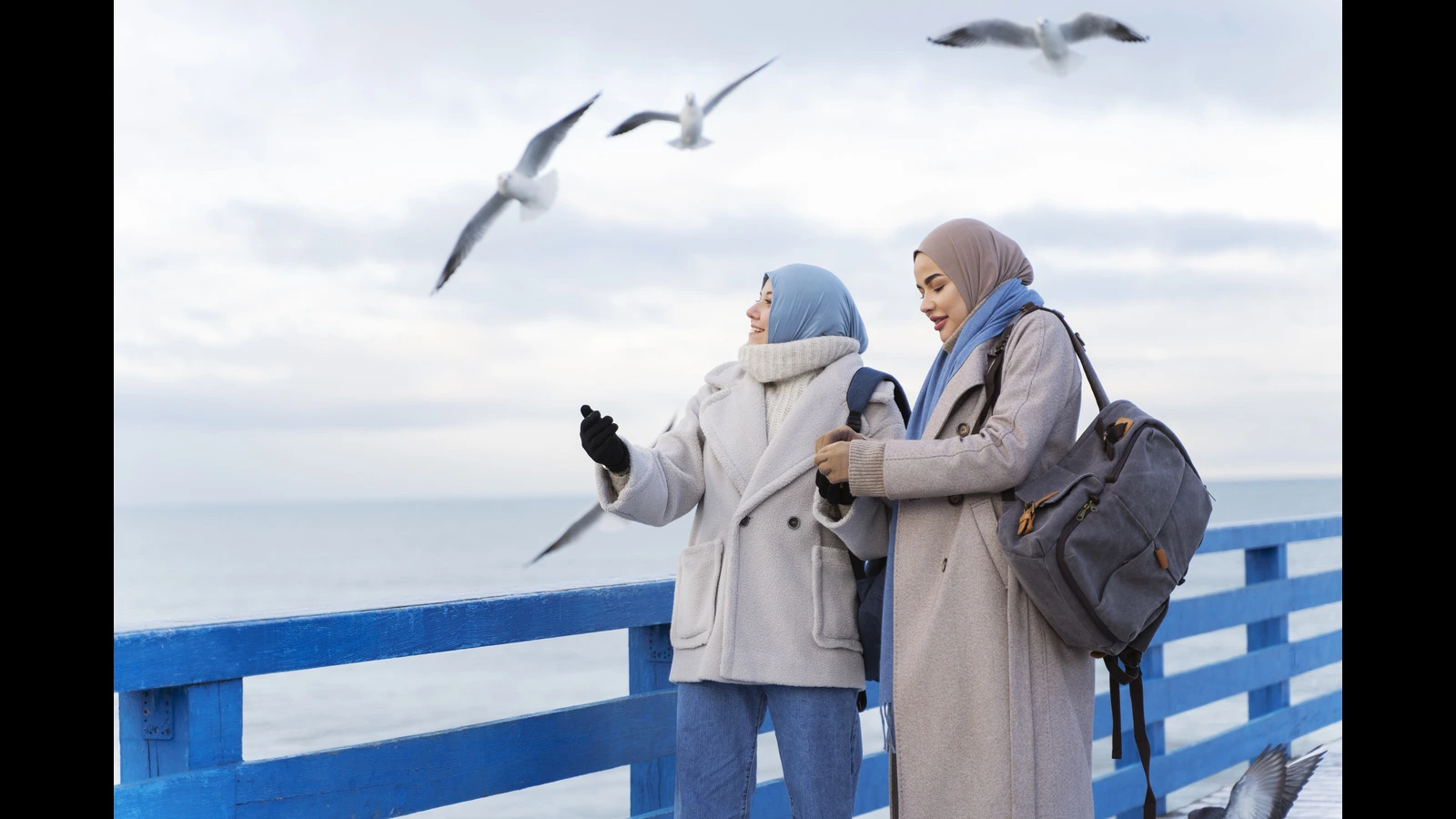
Most people land in the UAE expecting a neon-lit blur of Ferraris and record-breaking skyscrapers. But when the moon marks the start of the Holy Month, the entire country takes a collective, soulful breath. The frantic pace of the city slows to a hum, replaced by a deep, communal warmth. This is precisely why Ramadan Cultural Tourism is so special. It isn’t just about visiting a place; it’s about being invited into a tradition. Instead of watching Emirati heritage from behind a velvet rope, you’re sitting right in the middle of it, sharing dates at sunset and feeling the city’s pulse change from “go-go-go” to something much more meaningful.
Why does Ramadan change the travel experience in the UAE?
The shift is visceral. In the daylight, the streets are quieter, almost meditative. You’ll notice the little things: the way the morning light hits the sand without the usual traffic haze, or how the local bakeries start prepping giant trays of sweets by mid-afternoon. It’s a side of the Emirates that “peak season” tourists never get to see.
As the sun begins to dip, there’s an electric sense of anticipation. You’ll see families gathering, the smell of oud drifting from doorways, and the local Majlis getting ready for guests. This isn’t a staged show for tourists; it is real life. Many travellers find that the typical “big city” barriers drop. If you look curious, a local might just pull you aside to explain the history of the Iftar cannon or suggest the best spot for a cup of authentic Arabic coffee.
What cultural experiences can visitors expect during Ramadan?
When the sun goes down, the UAE truly wakes up. The nights aren’t just long; they are vibrant, social, and incredibly welcoming.
If you’re visiting during this time, here is what usually sticks in the memory:
- The Iftar Feast: Breaking the fast with locals—diving into plates of Ouzi (succulent lamb and rice) and Harees.
- Heritage at Night: Wandering through the Al Fahidi district or the Heart of Sharjah under the soft glow of traditional lanterns.
- The Night Souks: Pop-up markets that stay open until the early hours, selling everything from handmade perfumes to local honey.
- Community Spirit: Seeing the sheer scale of charity and “Zakat” as huge tents feed thousands of people for free every single night.
Since the logistics of the city change—like mall hours and transport schedules—some visitors prefer to handle their entry and logistics through a professional Dubai Tourist Visa Agency to make sure the “boring” paperwork doesn’t eat into their cultural time.
When is the best time of day to explore during Ramadan?
If you want to hit the museums or the Burj Khalifa without the crowds, go in the morning. It’s blissfully empty. But if you want to see the “soul” of the UAE, you have to wait for the moon.
Once the fast breaks, the energy is infectious. Families head to the parks, and restaurants stay open until the pre-dawn meal, known as Suhoor. The weather is usually perfect for a late-night stroll. For those who want to dive deeper into the “why” behind these rituals, booking a Dubai City Tour Package during the Holy Month is a great move. A local guide can explain the etiquette of the mosque or take you to those hidden neighbourhood spots that don’t show up on Google Maps.
Why do experienced travellers recommend visiting during Ramadan?
Smart travellers know that the “best” time to visit isn’t always the busiest. Ramadan offers a rare balance. You can still see the landmarks, but the focus shifts from “doing things” to “feeling things.” Life slows down in a way that forces you to actually observe. You spend more time talking, tasting, and reflecting. It’s the difference between a vacation and an experience.
What makes Ramadan Cultural Tourism memorable long after the trip?
Long after you’ve flown home, you won’t be thinking about the shopping malls. You’ll remember the sound of the Adhan (the call to prayer) echoing through the streets at dusk, or the genuine smile of a stranger offering you a piece of fruit. Ramadan puts the Emirati values of generosity and respect front and center. It’s a side of the UAE that is deeply human, and once you’ve felt it, a regular holiday just won’t feel the same.
FAQs
Because the culture is “live.” Instead of just reading about traditions, you see them practised in the streets, the malls, and the homes of everyone around you.
It’s all about respect. Wear modest clothing (cover your shoulders and knees) and try to avoid eating or drinking in plain sight of those who are fasting during daylight hours.
From sunset until about 2:00 AM. This is when the night markets, cafes, and community events are at their absolute peak.
Anyone who loves food, history, or people. If you’re the kind of traveler who wants to “live like a local,” this is your time to shine.
Recent Post
Social Profile
Keep Up with Us on Social Media for Up-to-Date News and Exclusive Content!